| Place of Origin: | OMAN |
|---|---|
| Brand Name: | GPS CO. |
| Certification: | ISO9001:2023 |
| Model Number: | SiO2/Al2O3=10-1000 |
| Minimum Order Quantity: | 20 ton |
|---|---|
| Price: | After negotiation |
| Packaging Details: | 144kg or 220kg bags |
| Delivery Time: | After negotiation |
| Supply Ability: | 1000Ton per month |
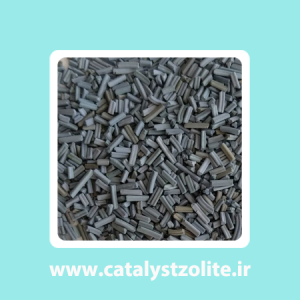
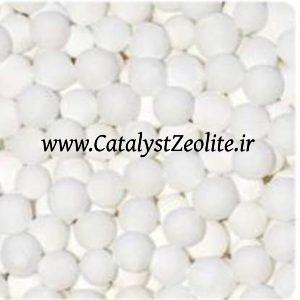
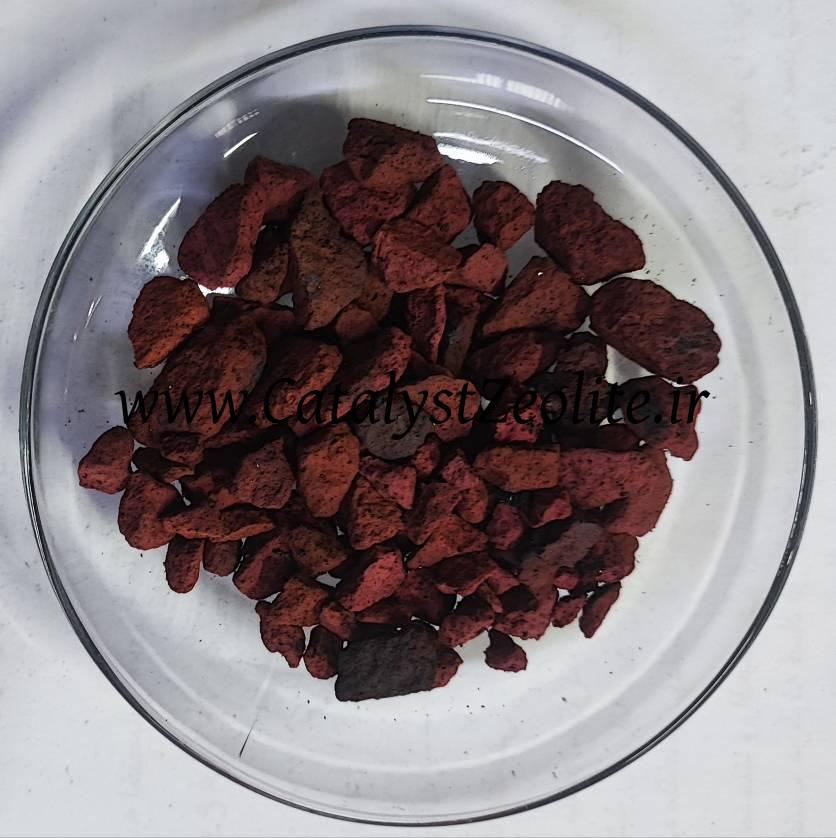
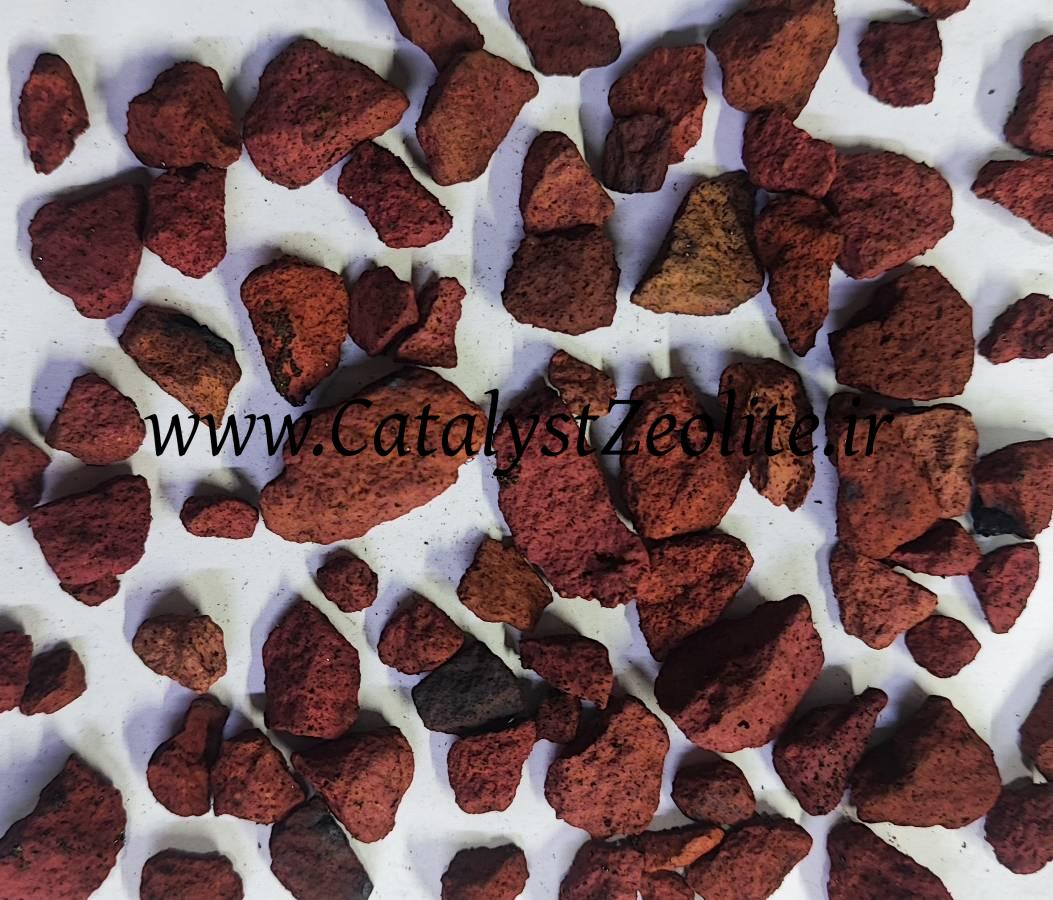
| Shape: | stone | Size: | 5-10 |
|---|---|---|---|
| Bulk Density/kg·L-1: | 0.7-0.75 | Crushing Strength: N/cm: | 80 |
| High Light: | zeolite stone Hydrotreating Catalyst
zeolite stone Hydridechlorinatin catalyst zeolite stone Hydrodesulphurization catalyst multipurpose catalyst revolutionary catalyst |
||
| Item | Unit | Index | ||
| SIO2 | %(m/m) | 48.76 | ||
| SAL2O3 | %(m/m) | 15.36 | ||
| FE2O3 | %(m/m) | 5.12 | ||
| TIO2
Cao mgo Na2o K2o p2o5 Mno S |
%(m/m)
%(m/m) %(m/m) %(m/m) %(m/m) %(m/m) %(m/m) %(m/m) |
O.63
11.50 1.50 1.01 2.71 0.14 0.04 0.02 |
||
| High strength, Large porosity, Low diffusion resistance. |
|
Description:
K1-5 zeolite properties
Thermal stability
High thermal stability of K1-5 zeolite. This is caused by a skeleton in a stable five-membered ring structure and a high silica to alumina ratio. For example, the sample calcined at 850 ℃ After 2 hours, the crystal structure unchanged. Even can withstand high temperature of 1100 ℃. So far, K1-5 zeolites are known to one of the highest qualitative hot temperature. Therefore, it is used in high-temperature process is particularly suitable. For example, use it as a hydrocarbon cracking catalyst, regeneration of the catalyst can withstand passage of time.
Excellent shape-selective selectivity
Zeolite molecular sieve as catalyst, only smaller than the hole crystal molecules can catalyze the reaction out of control pore size crystalline zeolite suffering zeolite catalyst size and shape of reactant and product molecules showed great selectivity. Pore system of K1-5 zeolite having a 10-MR constituted medium size orifice diameter, it has a good shape-selective selectivity.
Product Appearance:
Bulk Density:0.45-1.30 g/ml
Pore Volume:0.1-1.0 ml/g
Surface Area:1-300 m2/g
Active components:≥4.0%